


 下载APP
下载APP 报料
报料 关于
关于
湖南日报·新湖南客户端 2026-03-24 17:03:50
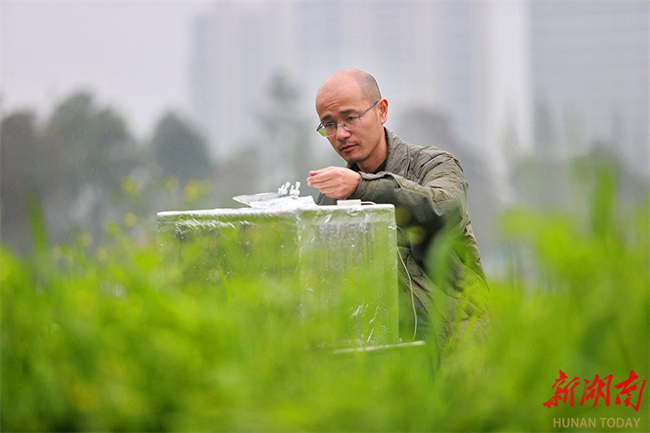
Jin Yunkai, a professor of Hunan Agricultural University, collects methane gas samples with a gas collection apparatus in an experimental field on March 23. Prof. Jin, together with his research team, has been engaged in such research field for ten years. They took the world's lead to cultivate a new rice variety which can cut methane emissions by 70% while increasing yield by 20%. The research outcomes will soon be utilized in field production. (Photo/Zhao Chi and Qing Xiaotong, Hunan Daily)
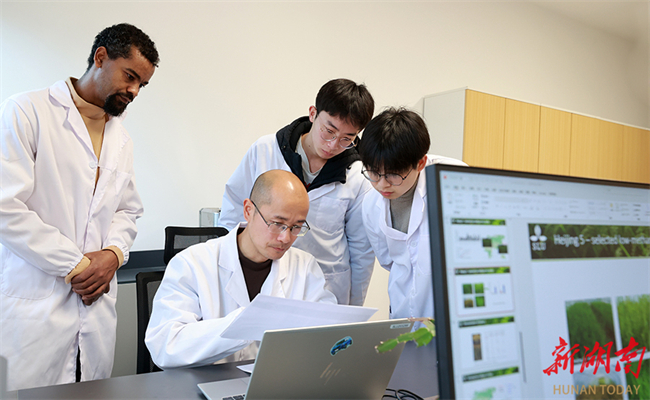
Prof. Jin Yunkai analyzes rice growth and methane emission data with his research team at the Yuelu Mountain Laboratory on March 23. Prof. Jin, together with his research team, has been engaged in such research field for ten years. They took the world's lead to cultivate a new rice variety which can cut methane emissions by 70% while increasing yield by 20%. The research outcomes will soon be utilized in field production. (Photo/Zhao Chi and Qing Xiaotong, Hunan Daily)
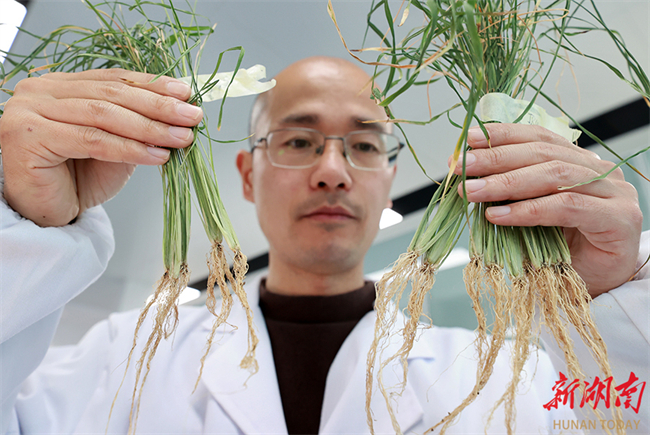
Prof. Jin Yunkai conducts a comparative study of rice root samples at the Yuelu Mountain Laboratory on March 23. Prof. Jin, together with his research team, has been engaged in such research field for ten years. They took the world's lead to cultivate a new rice variety which can cut methane emissions by 70% while increasing yield by 20%. The research outcomes will soon be utilized in field production. (Photo/Zhao Chi and Qing Xiaotong, Hunan Daily)
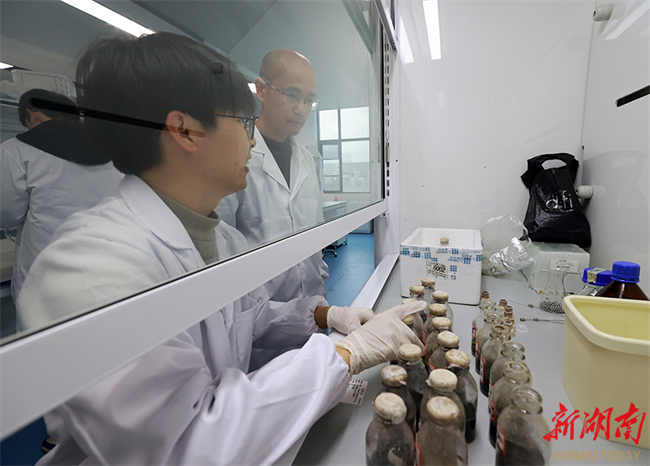
Prof. Jin Yunkai (1st, R) guides students to conduct experiments at the Yuelu Mountain Laboratory on March 23. Prof. Jin, together with his research team, has been engaged in such research field for ten years. They took the world's lead to cultivate a new rice variety which can cut methane emissions by 70% while increasing yield by 20%. The research outcomes will soon be utilized in field production. (Photo/Zhao Chi and Qing Xiaotong, Hunan Daily)
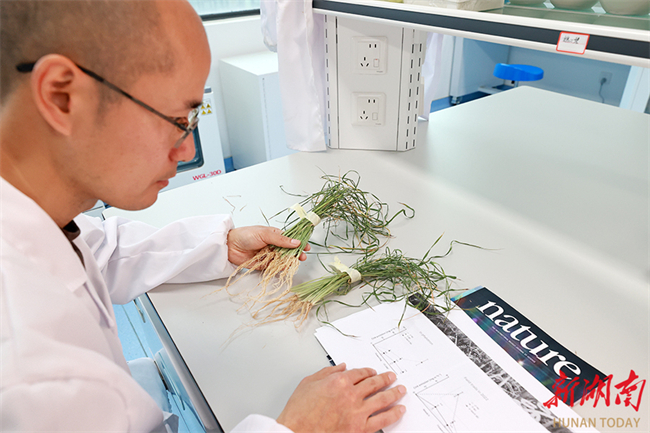
Prof. Jin Yunkai observes rice seedling roots based on a research diagram at the Yuelu Mountain Laboratory on March 23. Prof. Prof. Jin, together with his research team, has been engaged in such research field for ten years. They took the world's lead to cultivate a new rice variety which can cut methane emissions by 70% while increasing yield by 20%. The research outcomes will soon be utilized in field production. (Photo/Zhao Chi and Qing Xiaotong, Hunan Daily)
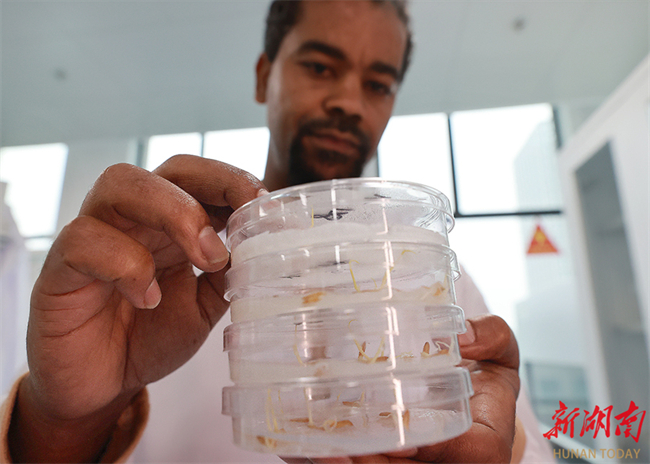
Geneti Takele Zike, a doctoral student coming from Ethiopia, shows different batches of his rice seedling samples at the Yuelu Mountain Laboratory on March 23. Prof. Jin, together with his research team, has been engaged in such research field for ten years. They took the world's lead to cultivate a new rice variety which can cut methane emissions by 70% while increasing yield by 20%. The research outcomes will soon be utilized in field production. (Photo/Zhao Chi and Qing Xiaotong, Hunan Daily)
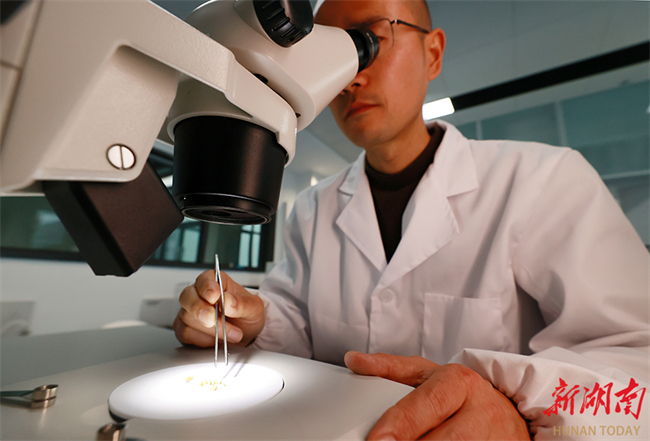
Prof. Jin sorts rice seeds elaborately under a microscope at the Yuelu Mountain Laboratory on March 23. Prof. Jin, together with his research team, has been engaged in such research field for ten years. They took the world's lead to cultivate a new rice variety which can cut methane emissions by 70% while increasing yield by 20%. The research outcomes will soon be utilized in field production. (Photo/Zhao Chi and Qing Xiaotong, Hunan Daily)
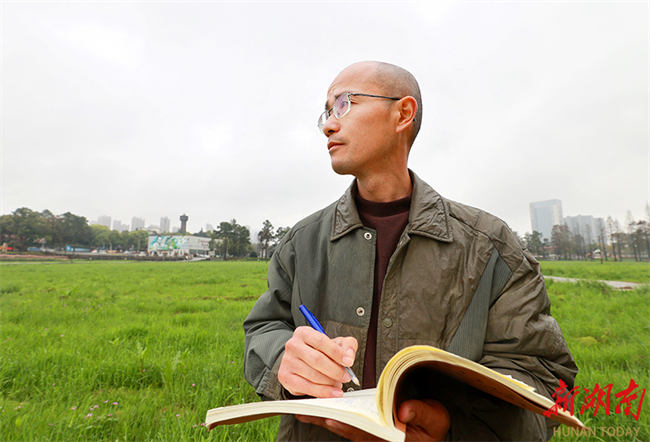
Prof. Jin records rice growth data by an experimental field on March 23. Prof. Jin, together with his research team, has been engaged in such research field for ten years. They took the world's lead to cultivate a new rice variety which can cut methane emissions by 70% while increasing yield by 20%. The research outcomes will soon be utilized in field production. (Photo/Zhao Chi and Qing Xiaotong, Hunan Daily)
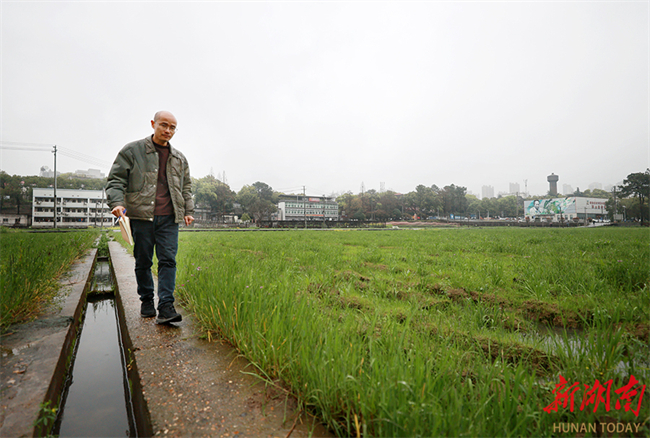
Prof. Jin walks on the ridge of the experimental field on March 23. Prof. Jin, together with his research team, has been engaged in such research field for ten years. They took the world's lead to cultivate a new rice variety which can cut methane emissions by 70% while increasing yield by 20%. The research outcomes will soon be utilized in field production. (Photo/Zhao Chi and Qing Xiaotong, Hunan Daily)
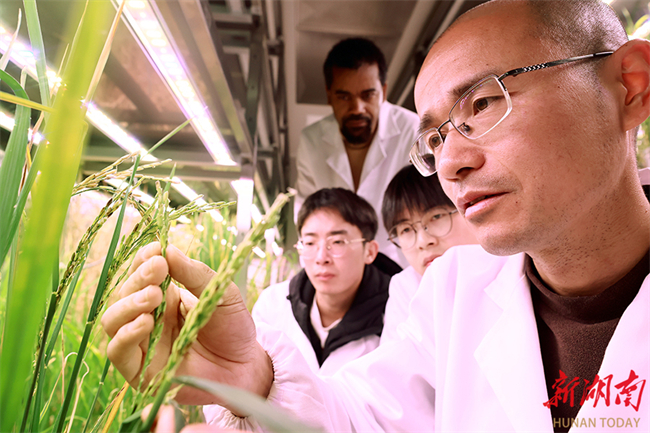
Prof. Jin (1st, R) leads his students to observe the growth of rice ears in an artificial climate chamber at the Yuelu Mountain Laboratory on March 23. Prof. Jin, together with his research team, has been engaged in such research field for ten years. They took the world's lead to cultivate a new rice variety which can cut methane emissions by 70% while increasing yield by 20%. The research outcomes will soon be utilized in field production. (Photo/Zhao Chi and Qing Xiaotong, Hunan Daily)
责编:冯宇轩
一审:冯宇轩
二审:田梦瑶
三审:秦慧英
来源:湖南日报·新湖南客户端
我要问
 湘公网安备 43010502000374号