


 下载APP
下载APP 报料
报料 关于
关于
中国日报网·网站 2026-01-13 16:51:38

Having lived 10 years in Chongqing, Huang Mengya noticed that her eating habits, along with those of many colleagues, had shifted from the city's famous spicy, oily hotpot to lighter, cleaner meals.
"Light meals are low in calories and full of nutrients. I'm not just eating this way to stay in shape — it's for my health," she said.
In Beijing, 38-year-old Tang Xiaohua visits a health center once a week for moxibustion, a mild traditional Chinese medical therapy. She said after a six-month course of treatment, her shoulder and neck pain had vanished, she no longer felt tired easily, and she slept more soundly than ever.
"Moxibustion helps improve blood flow, dispel cold, and boost immunity, making it especially suitable for those in an unhealthy condition," said Liu Dong, the health center's owner. In recent years, he has noted a rise in the number of customers visiting for massages and spa treatments.
Whether through diet, body conditioning or exercise, Chinese people are paying growing attention to their everyday health and wellness.
A Future of Wellness survey by consultancy McKinsey in 2025 found that 94 percent of Chinese consumers view wellness as a "top" or "important" priority, compared with 79 percent in Britain and 84 percent in the United States.
"As China's economy expands and living standards improve, demand for health and wellness is rising steadily," said Li Lu, director of the social governance division of the Academy of Macroeconomic Research's Social Development Research Institute.
As the per capita disposable income of Chinese citizens increases, spending on health-related products and services has been climbing quickly, with significant room for further growth, Li said.
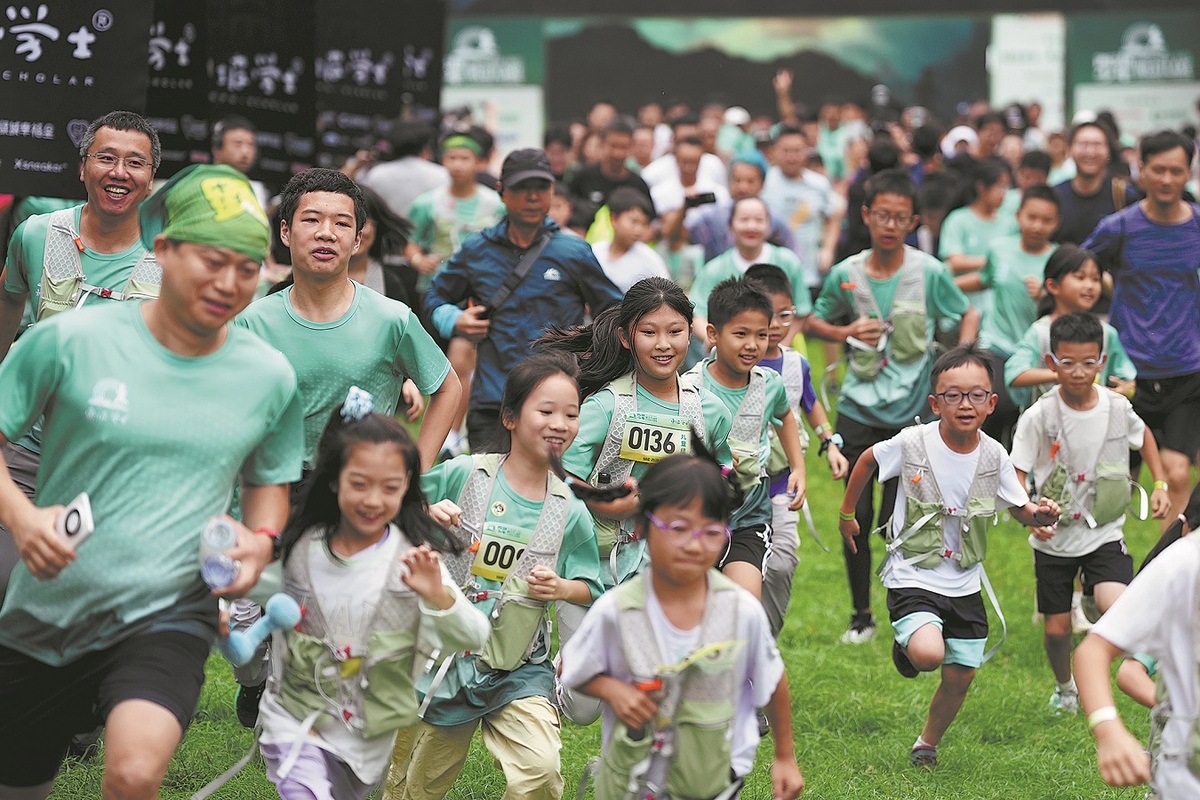
Wellness focus
This shift in consumption preference is evident in the food sector. Data from business information platform Tianyancha shows that China currently has more than 14,000 lightfood-related enterprises, with nearly 60 percent of them established in the last five years.
In city streets, sugary bubble teas once cradled in young people's hands are giving way to steaming cups of herbal brews.
Beyond food and drink, spending on fitness is gaining momentum as well. Health-minded consumers have propelled sportswear to China's second most popular clothing category, behind only casual wear, according to a 2025 report from iiMedia Research.
Wellness tourism has also taken off in recent years, with Hainan and Yunnan provinces emerging as popular destinations. Across these southern provinces, resorts are combining natural resources like hot springs, forests and traditional Chinese medicine with modern healthcare, offering trips where travelers can unwind while boosting their health.
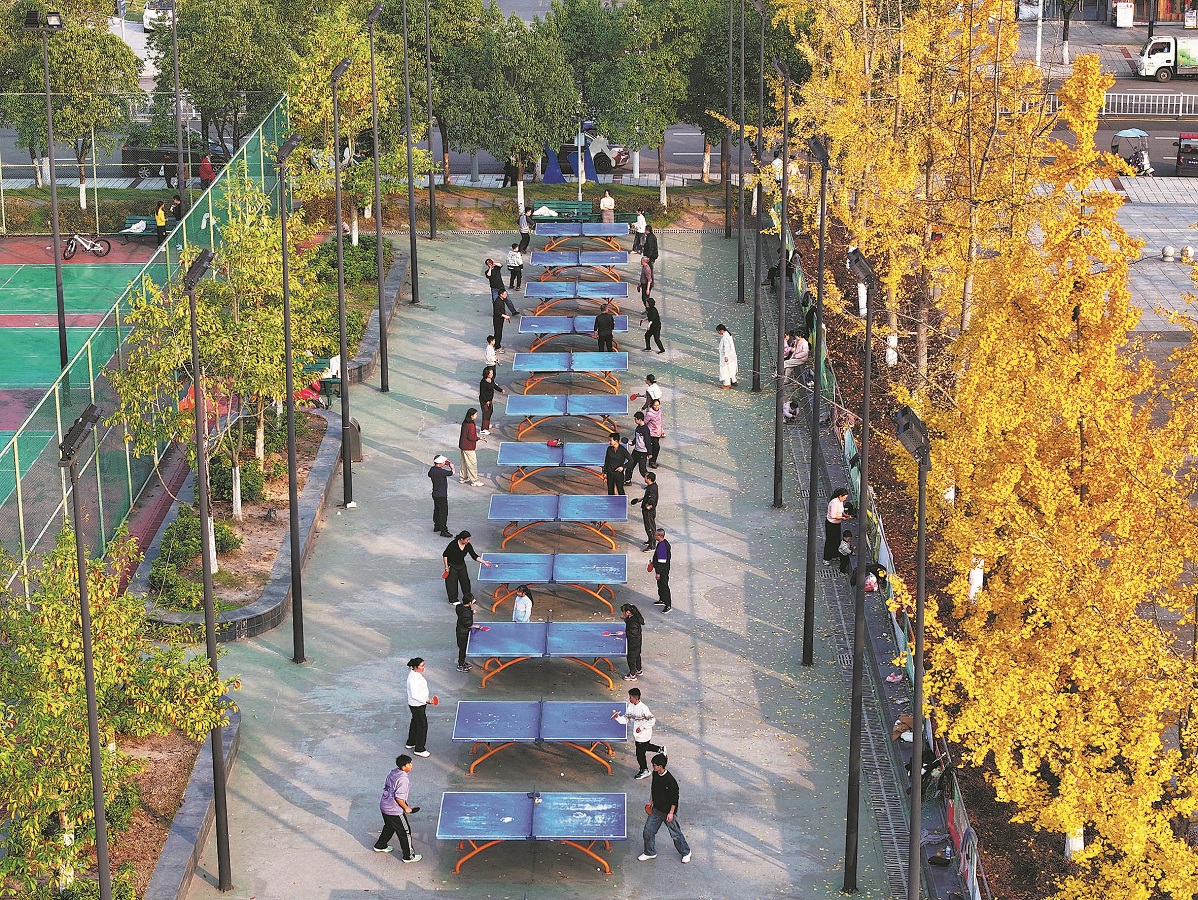
Chinese people aren't just more health-conscious these days. They're weaving wellness into everyday life.
The trend has been fueled in no small part by national strategies.
In 2016, the State Council issued the Outline of the Healthy China 2030 Plan, which was the first medium — and long-term strategic plan for the health sector to be proposed at the national level since the founding of the People's Republic of China. The Healthy China Initiative emphasizes prevention first, shifting the focus from treating diseases to promoting the health of the people.
But that shift does not mean China's healthcare system has run out of momentum. On the contrary, China remains one of the world's fastest movers in terms of medical progress, with key health indicators ranking among the top across middle and high-income countries. In 2024, the average life expectancy of Chinese people rose to 79 — five years more than the global average — and the country is aiming to push that figure to 80 by 2030.

Prevention first
A prevention-first approach is a philosophy that focuses not only on treating disease but also on promoting well-being in a more holistic way, improving quality of life and reducing the incidence of diseases, said Han Yongpeng, head of the Beijing Hospital of Integrated Traditional Chinese and Western Medicine.
The country will adopt the prevention-first approach and promote healthy lifestyles during the next five years, said Lei Haichao, director of the National Health Commission.
This vision has already been reinforced through a series of policies and initiatives. In 2024, the Chinese government launched a three-year weight management campaign with the aim of encouraging healthier lifestyles and preventing chronic diseases. Last year, a plan of action was introduced to promote health-related consumption, outlining several measures in areas such as healthy eating, sports consumption, and services for the country's aging population.
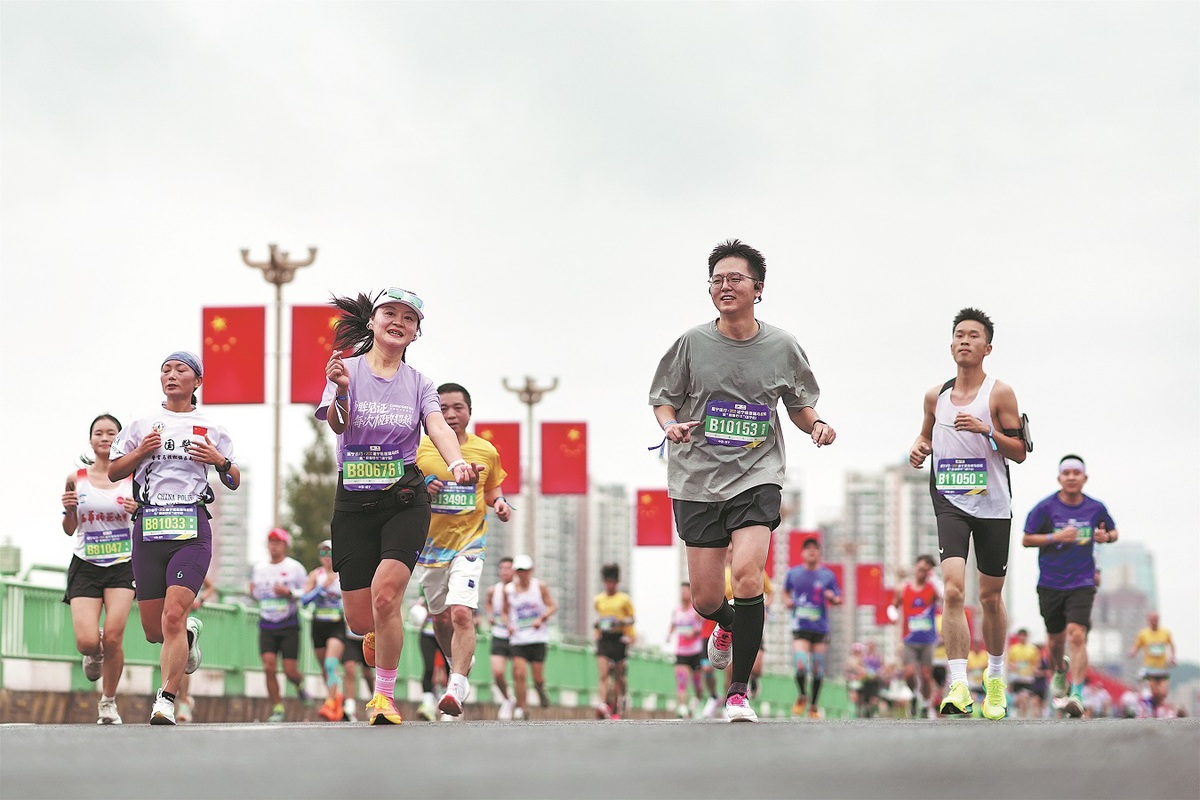
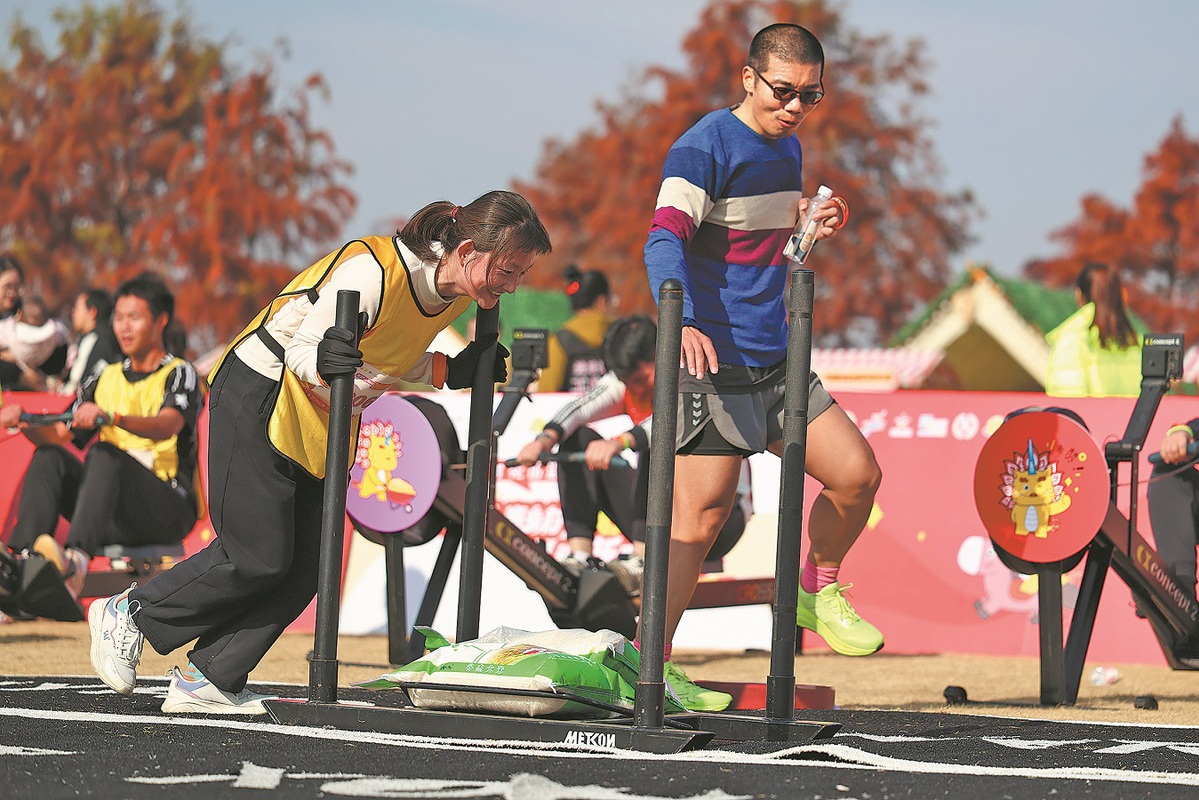
To harness this momentum, communities have seen a surge in sports facilities and events. Primary and secondary schools are now required to ensure students get at least two hours of physical activity every day.
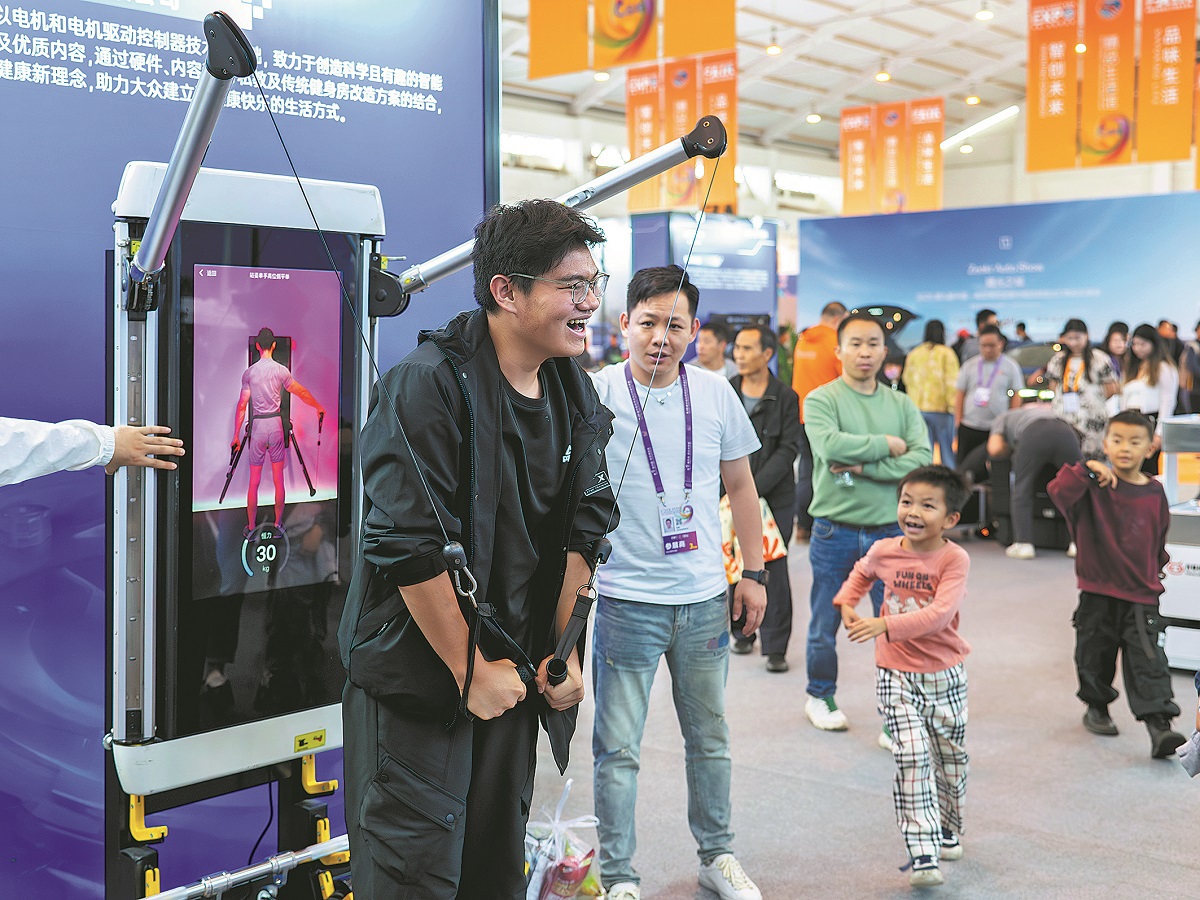
Technology, meanwhile, has been sketching the future of mass fitness. AI-powered urban sports facilities are turning public spaces into futuristic playgrounds suitable for all ages.
At scenic sites like Mount Tai in Shandong province, elderly hikers now use exoskeleton robots. Capable of bearing loads of up to 200 kilograms, the devices dynamically adjust assistance, reducing climber exertion by as much as 50 percent and enabling seniors to tackle steep climbs with ease.
Role of tech
Wearable devices, from smartwatches and fitness bands, have become indispensable tools for tracking health and performance. Tech firms are racing to introduce innovations, embedding large AI models into smart treadmills and other equipment to deliver personalized training plans.
"My AI fitness coach gets it just right," said Liu Xiaopeng, a regular gym-goer. "It balances cardio and strength training perfectly. And with VR (virtual reality), I can work out in virtual arenas. Exercise has never been this engaging."
Bao Mingxiao, a professor at Beijing Sport University, said advances in AI and robotics will lower the cost of sports training in the future. "They are likely to open the door for ordinary people to find fitness and health solutions better tailored to their individual needs," Bao said.
Hospitals are opening weight management clinics, offering personalized plans for people struggling with being overweight and obesity. Meanwhile, some senior care facilities have introduced smart fitness mirrors, smart mattresses and companion robots to promote healthier lifestyles among their elderly residents.
In the catering sector, restaurants and canteens have stepped up related efforts with healthier menus. A restaurant chain in Chongqing has launched a "light noodle" series, replacing traditional wheat noodles with buckwheat alternatives and pairing them with a low-calorie local pepper sauce. The company's head, Li Hang, said that sales had exceeded 100,000 servings in just three months.
"This year, we will introduce more low-salt and anti-inflammatory light Chinese meals to meet our customers' demand for healthy eating," Li said.
责编:田梦瑶
一审:田梦瑶
二审:秦慧英
三审:张权
来源:中国日报网·网站
我要问
 湘公网安备 43010502000374号