


 下载APP
下载APP 报料
报料 关于
关于
中国日报网 2025-12-29 17:03:23
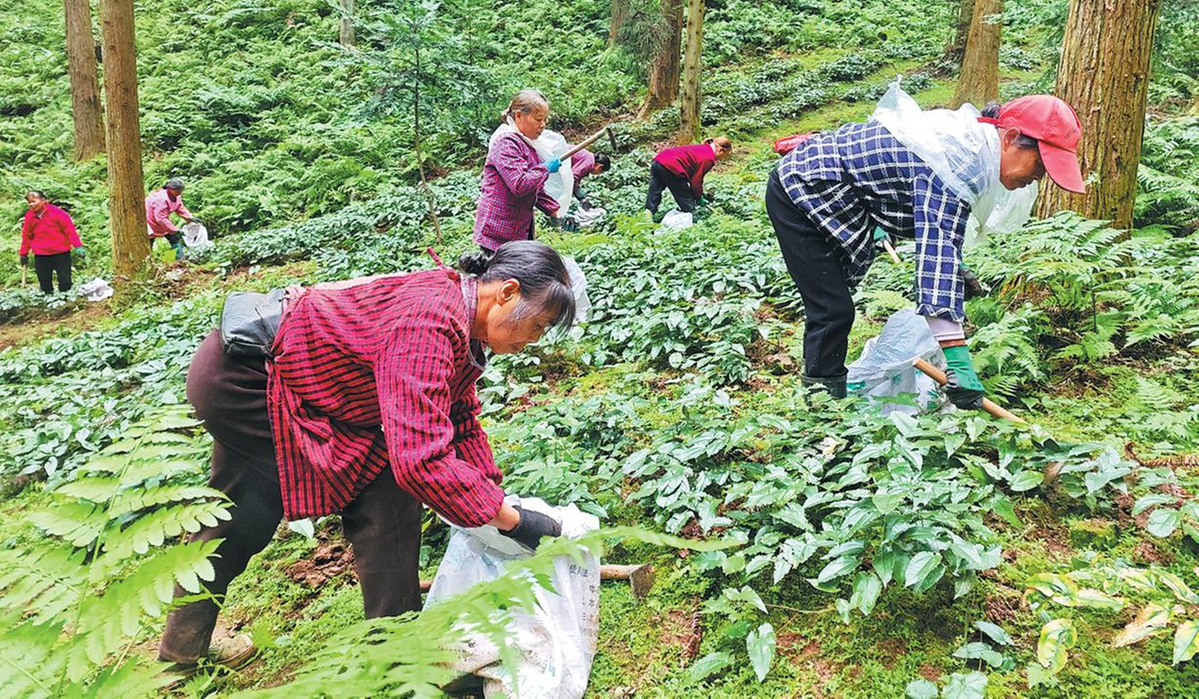
Workers apply organic fertilizers to barrenwort at a cultivation base in Huitong county, Hunan province, in October. HOU LIQIANG/CHINA DAILY
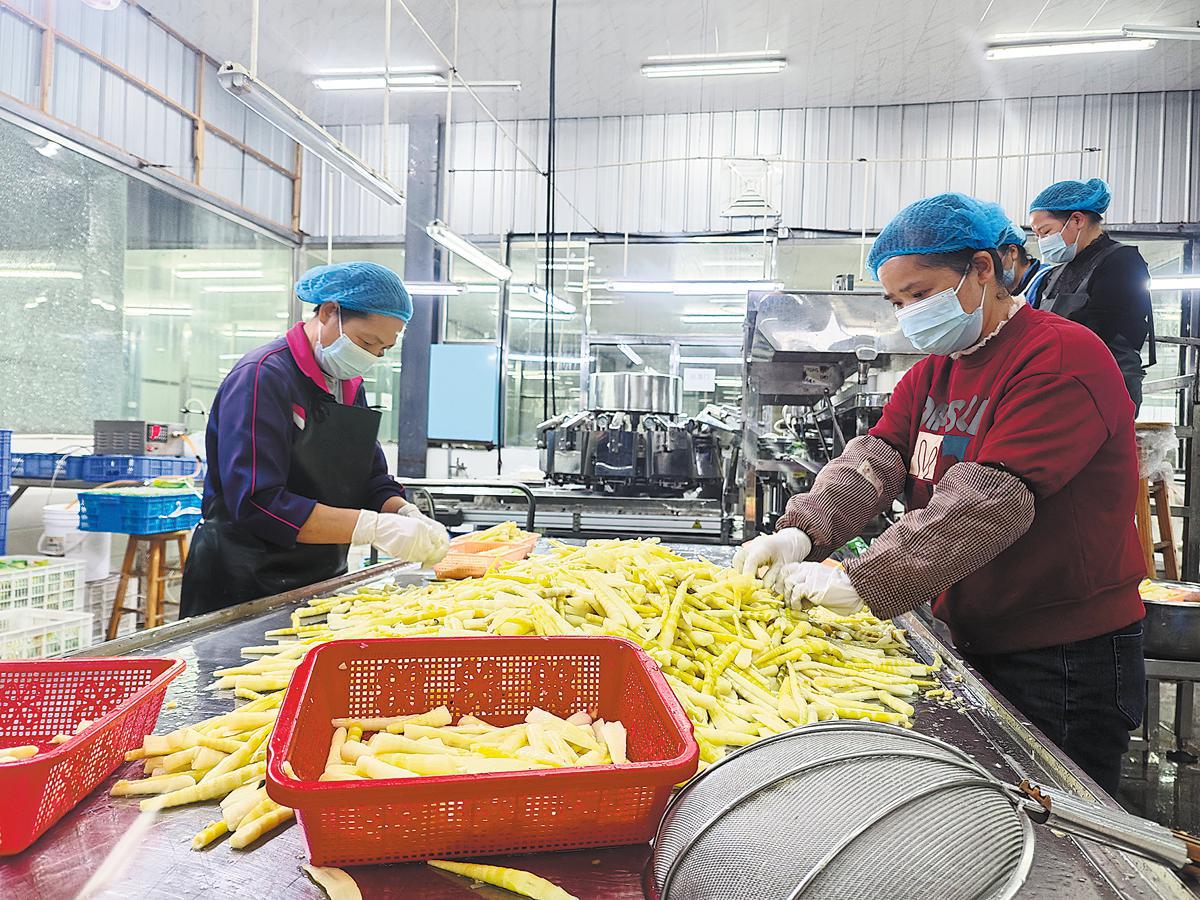 Workers process bamboo shoots on a production line in Huitong. HOU LIQIANG/CHINA DAILY
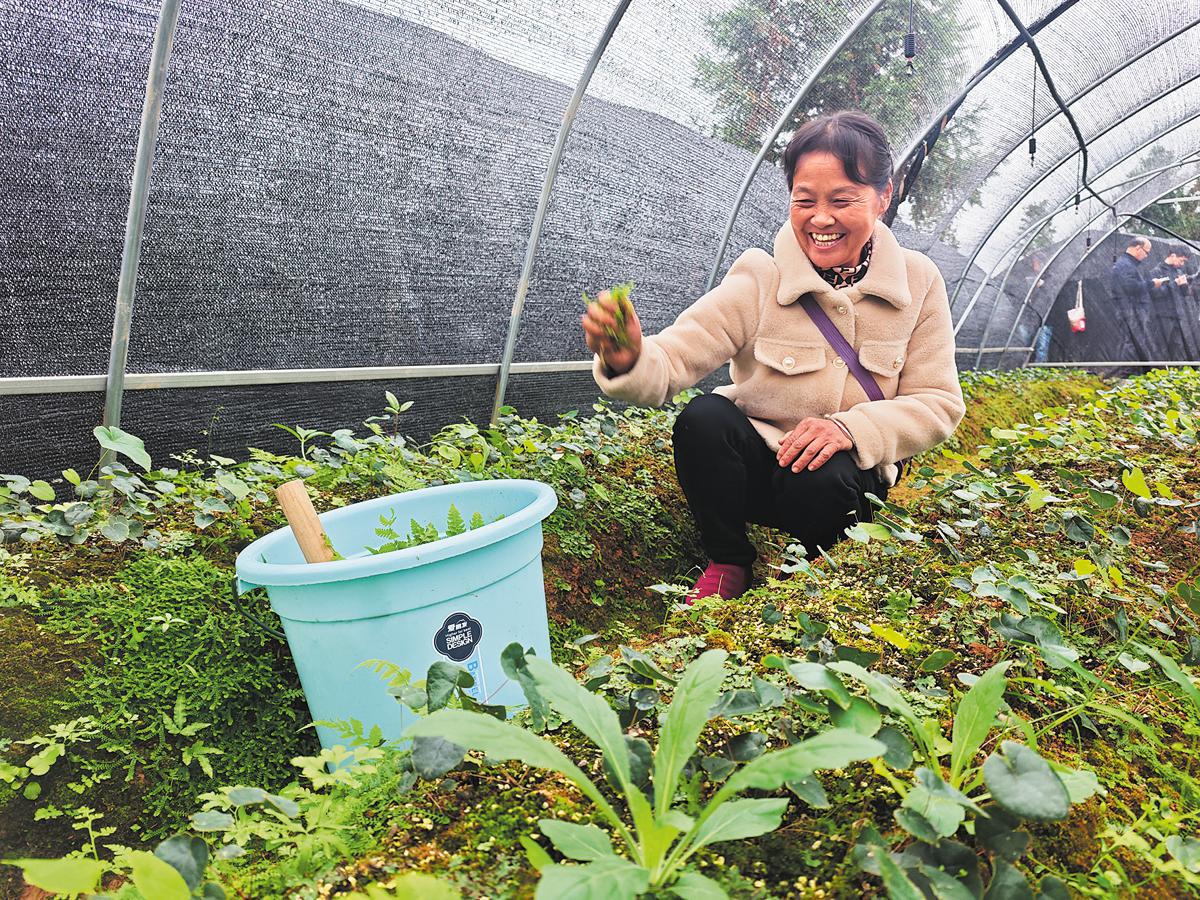 Su Zexiang, a resident of Xuanshui village in Hunan's Huitong county, pulls up weeds in an epimedium seedling farm in October. HOU LIQIANG/CHINA DAILY
Yang Peiru's WeChat Moments this year have been dominated by his posts recruiting for his bamboo shoots processing company in Huitong county, Hunan province.
One post called out: "Emergency! Tonight. Need seven or eight temporary workers for packing. Both men and women are acceptable. Same-day payment is provided."
Standing amid the busy production lines of his factory, which processes 10,000 metric tons of preserved bamboo shoots annually, Yang marvels at the growing demand that sometimes exceeds the capacity of the factory's 60-strong team.
His company offers a microcosm of Hunan's thriving non-timber forest economy, where supportive policies are helping transform the region's lucid waters and lush mountains into tangible economic benefits for local residents.
Since last year alone, a total of 10 new bamboo shoots processing companies have been established in Huitong, spurred by local government policies that leverage the potential of the rich local bamboo resources in boosting economic development.
Before registering his company, Hunan Lyudi High-tech Agriculture and Forestry Development Co, in 2017, Yang had a decent job in Shanghai — he worked as a senior sales executive for a State-owned tobacco company.
He'd never considered investing in such a business back in his hometown. But when he was approached by cadres with an enticing proposal, he found it was something hard to refuse, as the local government was offering so many preferential policies.
Yang said he received a 120 yuan ($17) subsidy for every square meter of his factory, which has a floor area of 10,000 sq m. Facilitated by the authorities, he managed to lease over 3,300 hectares of bamboo from local farmers.
Using his forestry rights as collateral and backed by a government guarantee, he obtained a 10-million-yuan bank loan in 2021. Typical forestry rights-based loans are characterized by high credit limits, long repayment periods and low interest rates, he said.
Thanks to the loan, the company boosted its daily production capacity tenfold, from 10,000 to 100,000 packages, by investing in four automated packaging machines, a large-scale sterilization line, a quick-freeze production line, and a 10,000-cubic-meter cold storage facility.
"Since its official sales launch in June 2021, the company has experienced steady growth in its business, with sales projected to reach 80 million yuan this year," Yang said.
He added that most of the factory's employees are local residents, and that they can earn more than 4,000 yuan a month working on the production lines.
Yang leases his bamboo plantation from local farmers at a price of 1,050 yuan per hectare. In addition to working on his company's production line, local farmers can also gain income by harvesting bamboo shoots, cutting mature bamboo and handling transportation. For this additional work, the company annually pays out approximately 15,000 yuan per hectare.
The company hires up to 600 to 700 workers during the bamboo shoot harvesting seasons in winter and spring to meet production demand, Yang said.
责编:黄思婷
一审:黄思婷
二审:王柯沣
三审:秦慧英
来源:中国日报网
我要问
 湘公网安备 43010502000374号